
The Human Cost of Wrongful Conviction
Just MercyThis thread traces how wrongful convictions damage not only the accused but also families, communities, victims, and public trust.
increasing Bearing strength in each event
 decreasing
Bearing strength in each eventdecreasingWalter’s World Narrows
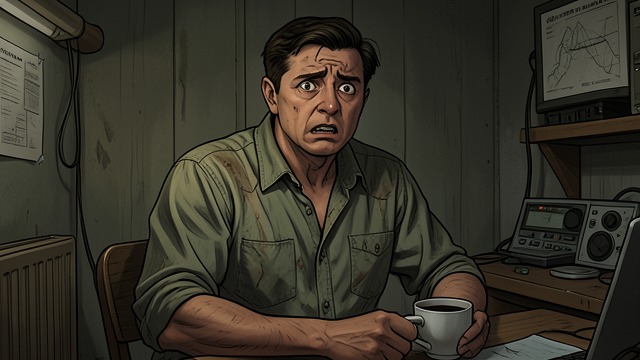
Freedom Replaced by Fear
Sudden confinement
Walter moves from outdoor work and family life into isolation on death row before trial.
A psychological injury
Fear of execution changes how he sleeps, eats, and thinks. The punishment begins long before the jury reaches a verdict.
A Family Becomes a Witness
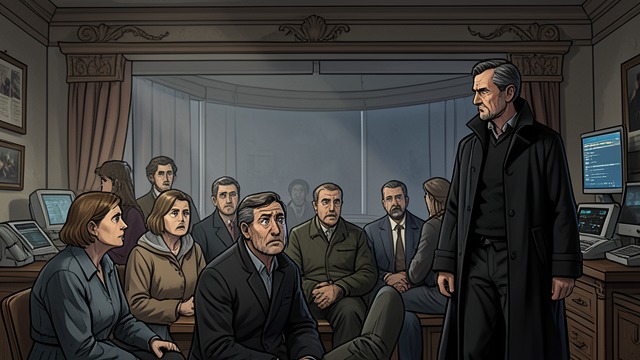
An Alibi Disbelieved
Shared knowledge
Relatives and church members know Walter was home on the morning of the murder.
Collective harm
Their testimony does not prevent his conviction. The case makes the family feel that the system has condemned them as well.
Victims Left Without Answers
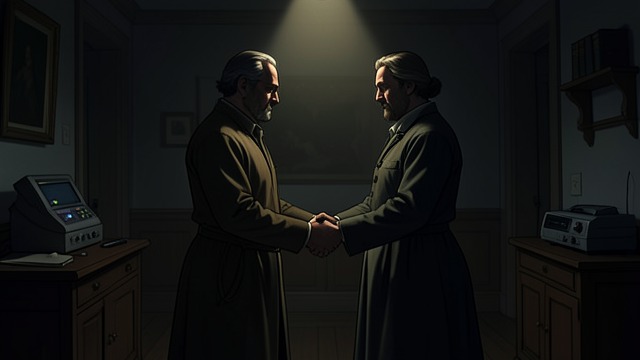
Two Families in the Wake
The Morrison case remains unresolved
Walter’s exoneration does not identify the person who killed Ronda Morrison.
Another family was neglected
Vickie Pittman’s aunts also describe being ignored by authorities. Wrongful prosecution and failed investigation leave multiple families without the answers they need.
Release Does Not Restore Time
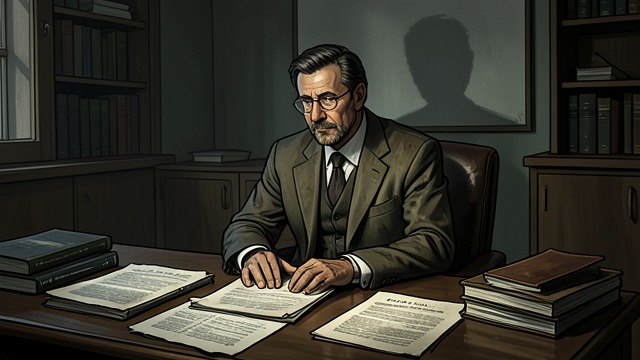
The Afterlife of a Case
Practical loss
Walter loses his work, marriage, reputation, and years of ordinary life.
A difficult recovery
Legal exoneration brings no automatic counseling or compensation. The effects of imprisonment continue into his health and later dementia.
The Measure of the System
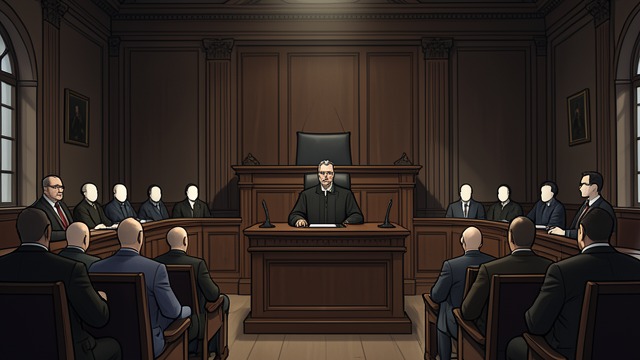
Justice Beyond the Verdict
A public lesson
Bryan says the case showed how easily the State could condemn an innocent poor man and how hard it was to free him.
A standard for reform
The experience demands attention to defense resources, racial bias, accountability, and the treatment of vulnerable people.
After his 1987 arrest
During Walter’s trial and imprisonment
During Bryan’s investigation
After Walter’s release
At Walter’s funeral
